
Ammunition
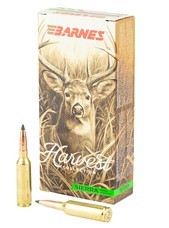
Barnes, HARVEST, 7MM PRC, 180Gr, Sierra GameKing, 20, 200
Barnes, HARVEST, 7MM PRC, 180Gr,
Commercial Listings
Showing current ammunition options and featured models.
272 products found
Showing 1-21 of 272 (Page 1 of 13)
Ammunition
Barnes, HARVEST, 7MM PRC, 180Gr,
Ammunition
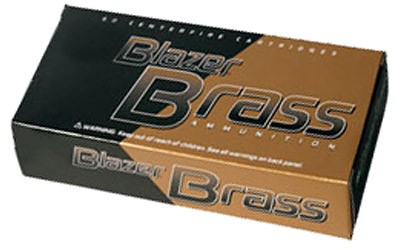
CCI, Blazer, 40 S&W, Full Metal
Ammunition
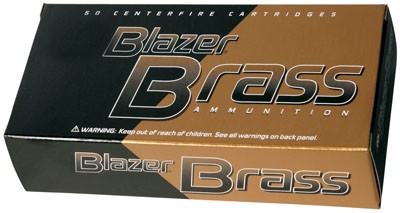
CCI/Speer Blazer Brass 38 Specia
Ammunition
BLAZER BRASS 9MM 124G FMJ 50BX
Ammunition
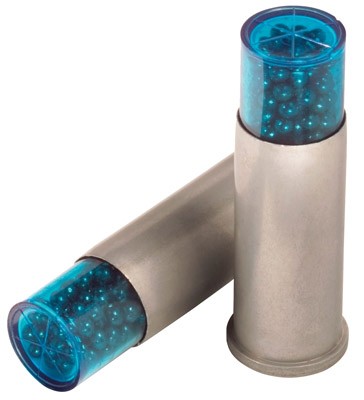
CCI CF SHTSHL 45ACP
Ammunition
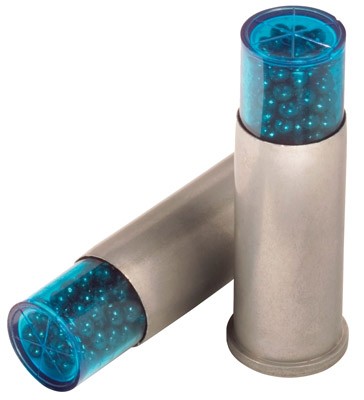
CCI CF SHTSHL 9MM #12 10RD
Ammunition
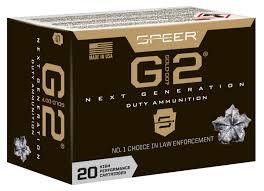
SPR GD G2 PP 45ACP+P 230GR 30
Ammunition
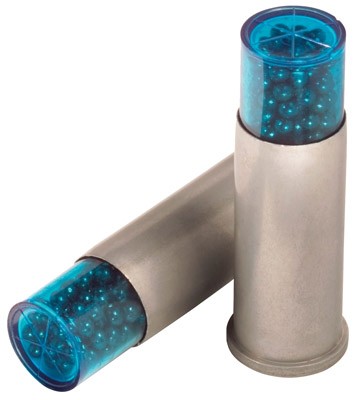
CCI CF SHTSHL 44SPL/REM
Ammunition
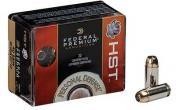
FED PD 40SW 180 JHP 20
Ammunition
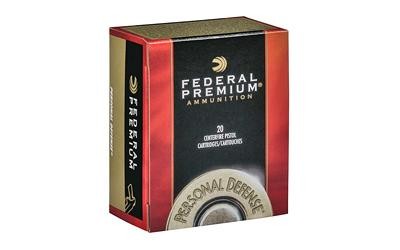
FED PNCH 45ACP 230 JHP 20
Ammunition
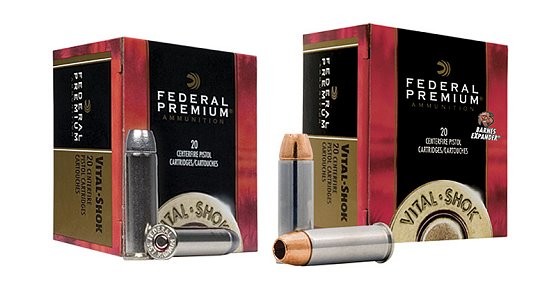
FED VTL-SHK 44M 280 SWAFR 20
Ammunition
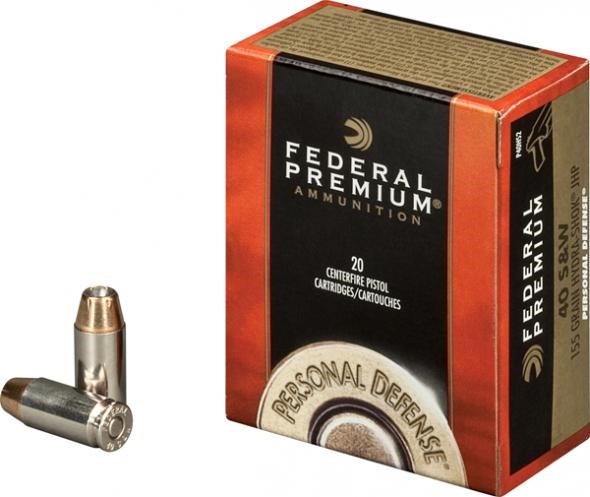
FED PREM 38SPL 129GR HSJHP 20
Ammunition
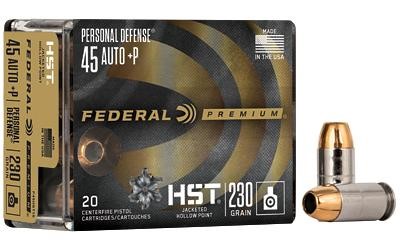
FED PREM HST 45ACP+P 230GR JHP 2
Ammunition
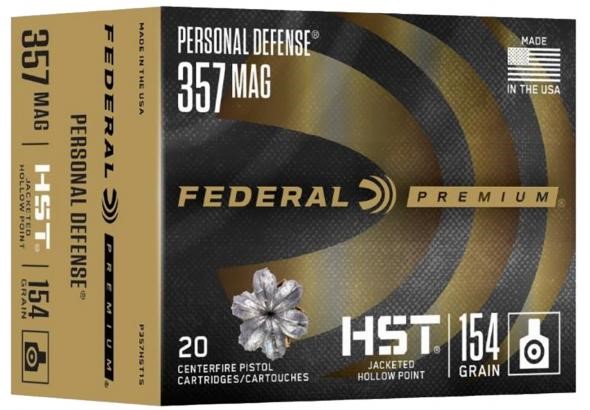
FED PD HST 357MAG 154GR 20
Ammunition
FED PD 32H&R MAG 85 JHP 20
Ammunition
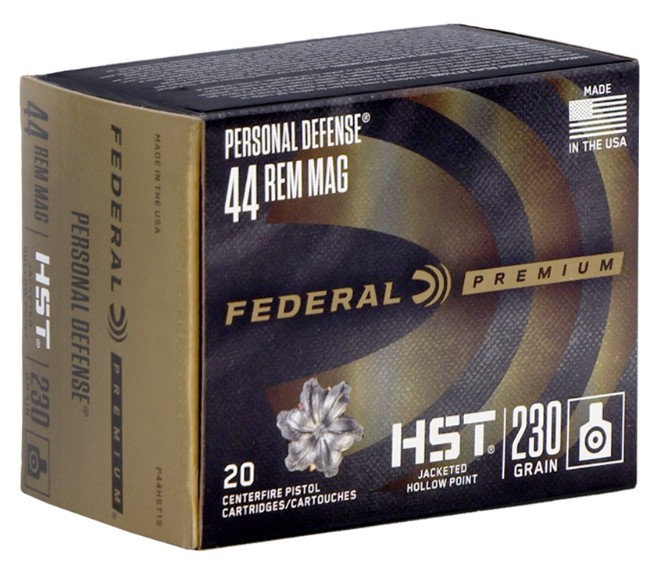
Federal Personal Defense 44 Remi
Ammunition
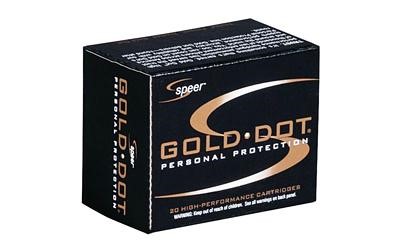
SPR GD PP 9MM+P 124GR HP 30
Ammunition
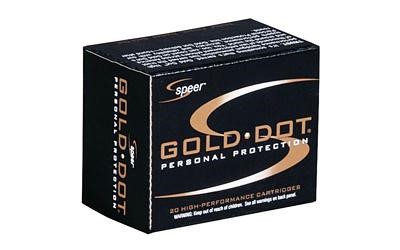
SPR GD PP 357MAG 135GR HP 20
Ammunition
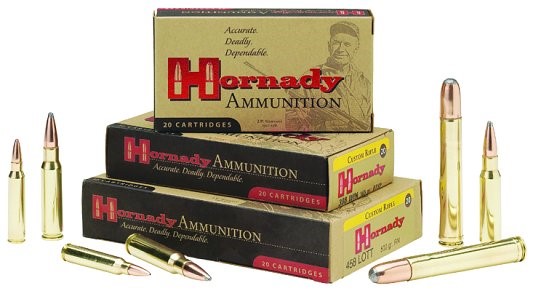
HOR CUS 50AE 300 XTP/HP 20
Ammunition
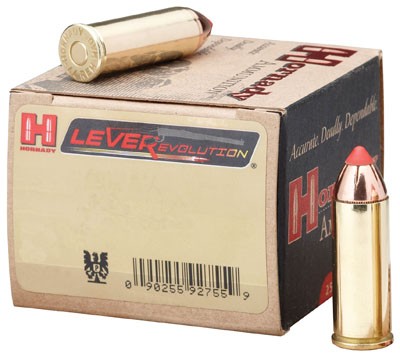
HOR CFRF 45C 225 FTX LVREV 20
Ammunition
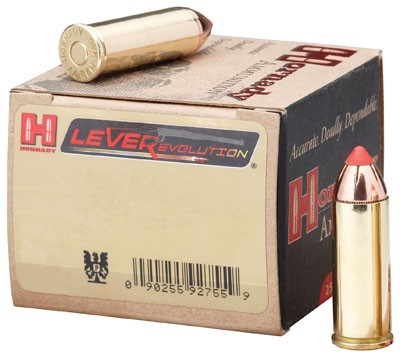
HOR LVR 357MAG 140 FTX 25
Showing 1-21 of 272 (Page 1 of 13)
Showing 1-21 of 272
(Page 1 of 13)
Choosing the right ammunition is just as important as choosing the right firearm. The caliber, bullet weight, bullet construction, and velocity all affect how the cartridge performs on the range, in the field, or in a defensive situation. Understanding these basics helps you make informed purchases and ensures your firearm performs reliably.
A modern centerfire cartridge has four components: the case (usually brass), the primer (ignites the powder), the powder (propellant charge), and the bullet (the projectile). Rimfire cartridges (.22 LR, .17 HMR) have the primer compound built into the rim of the case rather than a separate primer cup. When you pull the trigger, the firing pin strikes the primer, which ignites the powder, generating gas that propels the bullet down the barrel. Bullet weight is measured in grains (gr) — heavier bullets travel slower but retain energy at range; lighter bullets move faster with flatter trajectories.
Full Metal Jacket (FMJ) bullets have a lead core enclosed in a harder metal jacket. They feed reliably in semi-automatic firearms and are the standard for range training and target shooting due to their lower cost. However, FMJ bullets over-penetrate in defensive situations and are not recommended for self-defense loads. Hollow Point (HP) bullets are designed to expand on impact, transferring energy into the target, reducing over-penetration, and improving stopping effectiveness — they are the standard choice for self-defense and duty ammunition. Many HP designs (Federal HST, Speer Gold Dot, Hornady Critical Defense) are tested and trusted by law enforcement.
Hunting ammunition must balance reliable expansion, controlled penetration, and bullet integrity through bone and tissue. Soft Point (SP) bullets are an economical hunting choice with a lead tip exposed for controlled expansion. Ballistic Tip bullets (Hornady SST, Nosler Ballistic Tip) have a polymer tip that initiates expansion at velocity and are popular for deer hunting. Bonded core and partition bullets (Federal Trophy Bonded, Nosler Partition) are premium options for larger, tougher game where bullet integrity through heavy bone is critical. Lead-free copper projectiles (Barnes TSX, Hornady GMX) are required in some states and popular in California where lead is restricted.
For range training and practice, bulk FMJ ammunition (typically sold in boxes of 50–500 rounds) is the most cost-effective choice. Using the same caliber and similar bullet weight as your defensive load during training builds consistent muscle memory. Keep 200–500 rounds of your defensive load on hand at all times — premium defensive ammunition is subject to supply fluctuations. Do not intermix steel-cased and brass-cased ammunition in the same range session without cleaning between — some semi-automatic actions are sensitive to mixed case materials. Always verify that your firearm's manual confirms acceptance of +P or +P+ pressure loads if you choose high-pressure defensive ammunition.
Ammunition should be stored in a cool, dry location away from extreme heat, moisture, and direct sunlight. Original factory packaging is adequate for most storage situations. For long-term storage, ammo cans with foam-sealed lids (military surplus or purpose-made) protect against humidity. Avoid storing ammunition near solvents, fuels, or oxidizers. Properly stored commercial ammunition has a shelf life of 10+ years with no meaningful degradation in performance. Never use visibly corroded, bulged, or damaged ammunition — inspect your stock periodically and dispose of questionable rounds at a licensed facility.