
Knives
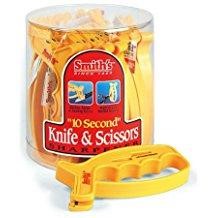
SMITH KNIFE SHARPENER - JIFF-FB (Pack of 12)
SMITH KNIFE SHARPENER - JIFF-FB
Commercial Listings
Showing current knives options and featured models.
39 products found
Showing 1-21 of 39 (Page 1 of 2)
Knives
SMITH KNIFE SHARPENER - JIFF-FB
Knives
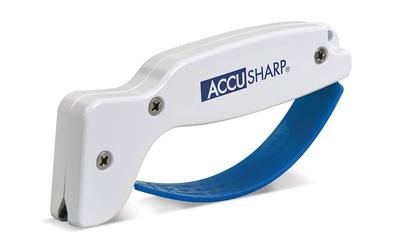
AccuSharp Knife Sharpener Plasti
Knives
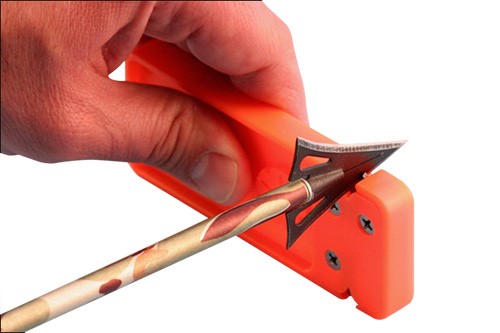
Accusharp 013C Broadhead Sharpen
Knives
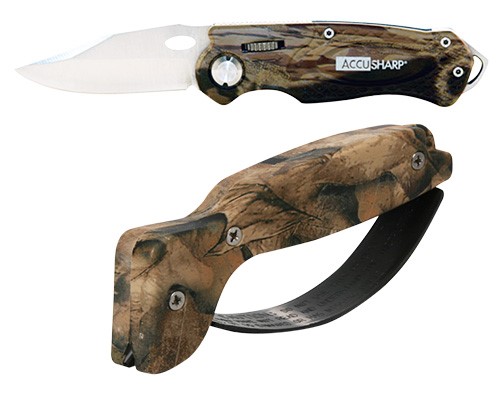
Accusharp 042C Knife/Tool Sharpe
Knives
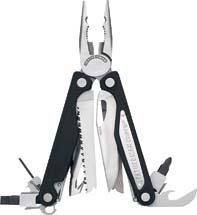
Leatherman Charge ALX w/Nylon Sh
Knives
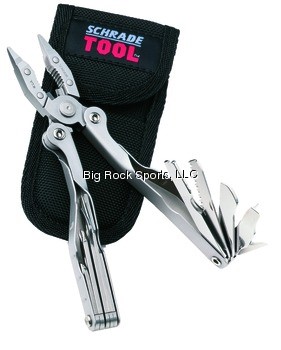
Schrade ST1NCP Tough Tool Clam
Knives
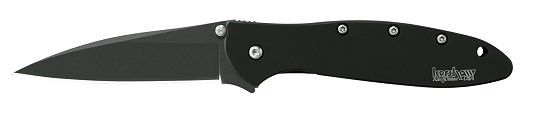
Kershaw Leek Black Tungsten DLC
Knives
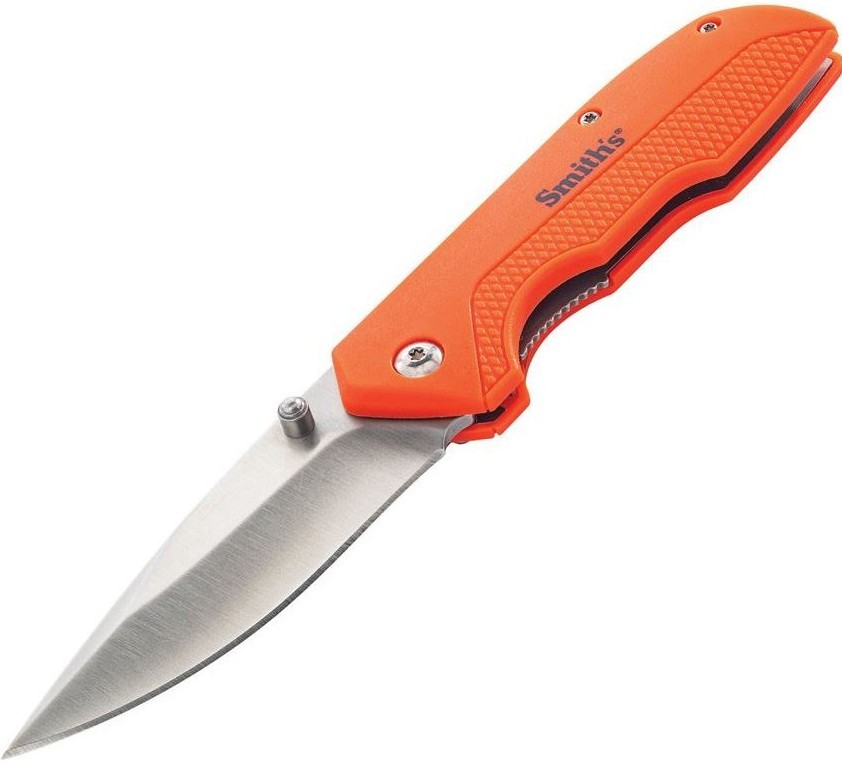
SMITHS EDGE SPORT 3" FOLDING
Knives
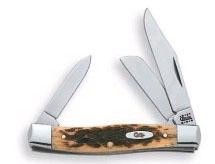
Case, Medium Stockman, 2.57" Cli
Knives
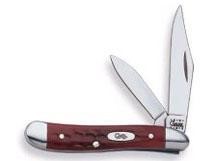
Case, Peanut, 2.10"/1.53" Clip/P
Knives
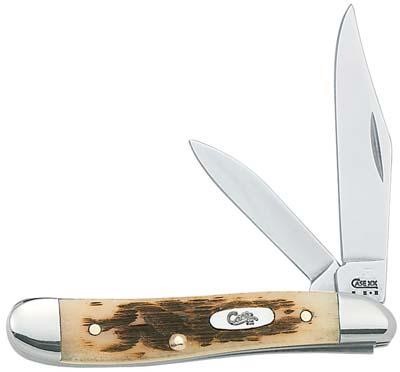
Case, Peanut, 2.1" Clip Point Bl
Knives
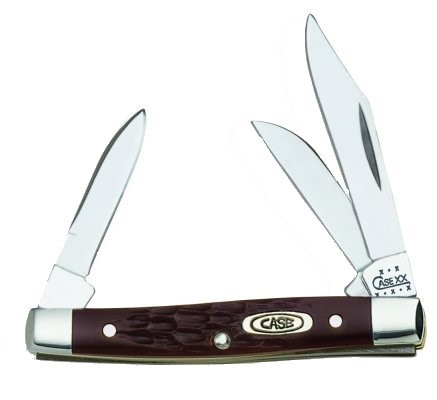
Case, Small Stockman, 2" Clip Po
Knives
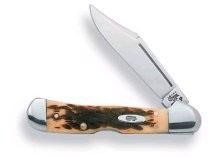
Case, Mini Copperlock, 2.72" Cli
Knives
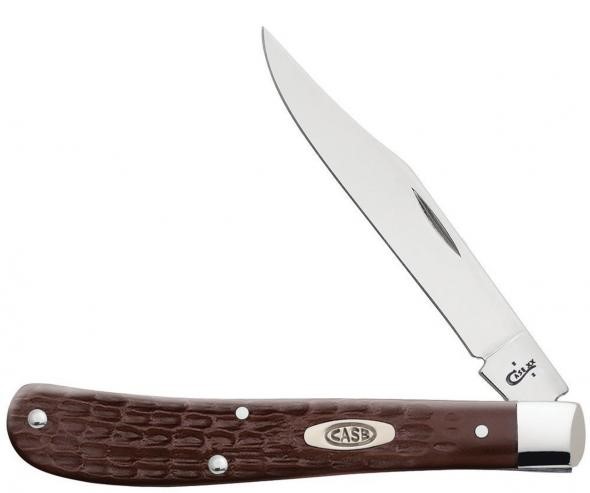
Case, Slimline Trapper, 3.25" Cl
Knives
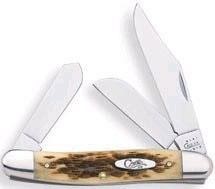
Case, Medium Stockman, 2.57" Cli
Knives
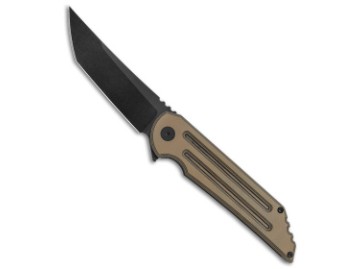
Jake Hoback Kwaiback MK6
Knives
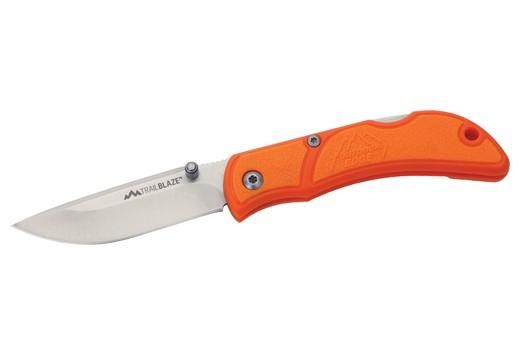
ODR TRAILBLAZE 2.5" ORG
Knives
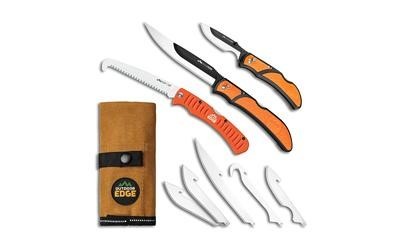
ODR RAZOR-CARRY PACK 3" W/X BLDS
Knives
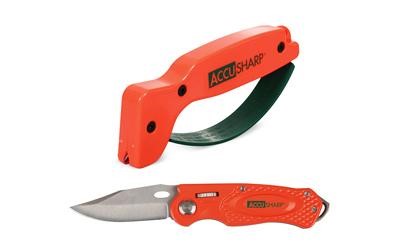
AccuSharp, Model 043C, Folding K
Knives
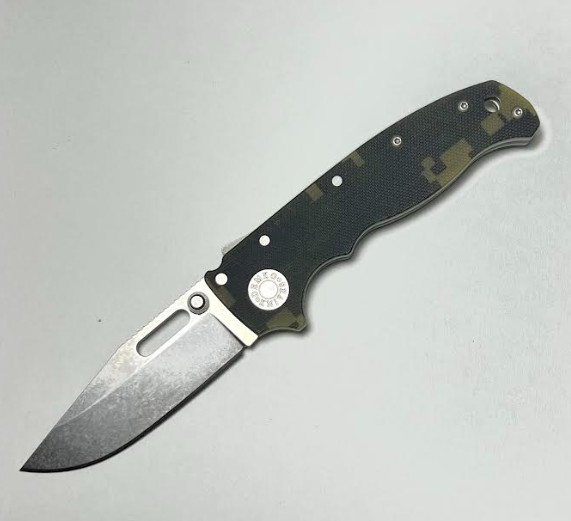
Demko AD 20.5 S35VN DIGI 3.00"
Knives
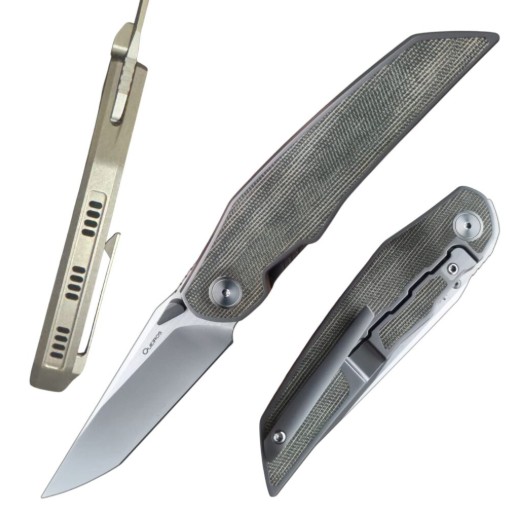
Iberian Canvas Micarta 3.5"
Showing 1-21 of 39 (Page 1 of 2)
Showing 1-21 of 39
(Page 1 of 2)
Knives are among the oldest and most versatile tools ever made — whether you need a dependable everyday carry folder, a fixed-blade hunting knife for field dressing deer, or a tactical knife for hard use in the field. Understanding blade steel, geometry, handle material, and locking mechanism helps you match the right knife to the job.
Fixed-blade knives have a single piece of steel forming the blade and tang (the portion that extends into the handle) — they are the strongest, most reliable design and are preferred for hunting, survival, and hard outdoor use where maximum blade integrity matters. Folding knives (pocket knives) feature a blade that folds into the handle and are more practical for everyday carry due to their compact size. Locking folders (liner lock, frame lock, axis lock) secure the blade open during use and are the standard for any EDC or utility knife. Non-locking slip-joint folders (traditional pen knives, Swiss Army knives) are for light cutting tasks only.
Blade steel determines the edge-holding ability, corrosion resistance, and ease of sharpening of the knife. High-carbon stainless steels (154CM, S30V, S35VN, M390) offer an excellent balance of edge retention, toughness, and stain resistance — these are the standard in premium EDC and tactical knives. Budget stainless steels (420HC, 8Cr13MoV) are easier to sharpen but hold an edge for less time. High-carbon non-stainless steels (1095, D2) hold a very sharp edge but require more maintenance to prevent rust — popular for outdoor and survival knives. Stainless steel is generally recommended for wet environments (hunting, fishing) where rust resistance is important.
A dedicated hunting knife should be a fixed blade of 3–5" with a full or partial convex or hollow grind optimized for slicing — drop-point and clip-point blade profiles are the most practical for field dressing deer and other game. Look for a guard or finger groove on the handle to prevent the hand from sliding onto the blade during wet, bloody work. A gut hook on the spine of the blade is useful for opening the abdominal cavity cleanly without puncturing the organs. Handles of rubber, G-10, or Micarta provide grip when wet. Popular hunting knife brands include Buck, Benchmade, Kershaw, and ESEE.
Pennsylvania law does not restrict the open carry of most knives, but local ordinances in cities like Pittsburgh may impose additional restrictions. Concealed carry of a "dagger, knife, razor, or cutting instrument" with intent to employ it as a weapon is prohibited under 18 Pa. C.S. § 907. In practice, most folding pocket knives carried for utility are not prosecuted under this statute, but the law is somewhat ambiguous. Automatic (switchblade) knives with blades over 1.5" are prohibited under federal law (with some state exceptions) but Pennsylvania state law does not specifically prohibit them — federal law applies to interstate commerce. When in doubt about carry legality, consult a Pennsylvania attorney familiar with weapons law.
A sharp knife is a safe knife — dull blades require excessive force, increasing the risk of slipping. For most folding and fixed-blade knives, a simple progression from a medium grit whetstone (400–600) to a fine stone (1000–2000) followed by a leather strop will restore a working edge. Guided sharpening systems (Lansky, Spyderco Sharpmaker) simplify maintaining a consistent bevel angle. For high-end blade steels (S30V, M390), a diamond stone is more efficient. After sharpening, wipe the blade dry and apply a light coat of mineral oil or knife-specific oil to prevent corrosion. Wooden handles benefit from periodic conditioning with wood oil or beeswax.