
Optics
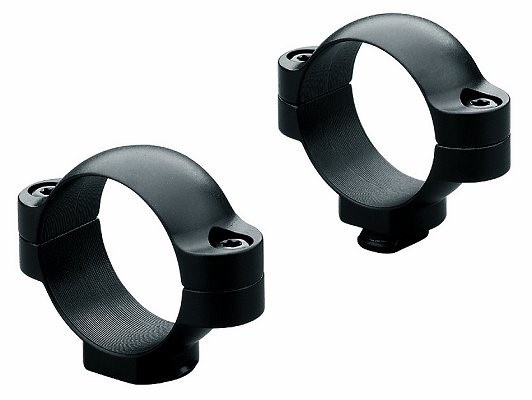
LEU RNG SUPER LOW STD MATTE
LEU RNG SUPER LOW STD MATTE
Commercial Listings
Showing current optics options and featured models.
131 products found
Showing 1-21 of 131 (Page 1 of 7)
Optics
LEU RNG SUPER LOW STD MATTE
Optics
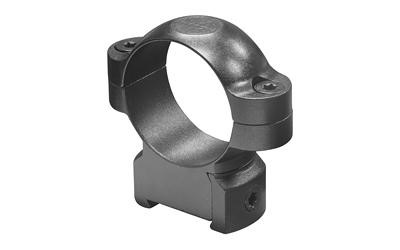
LEU RNG 1" HI MATTE CZ527
Optics
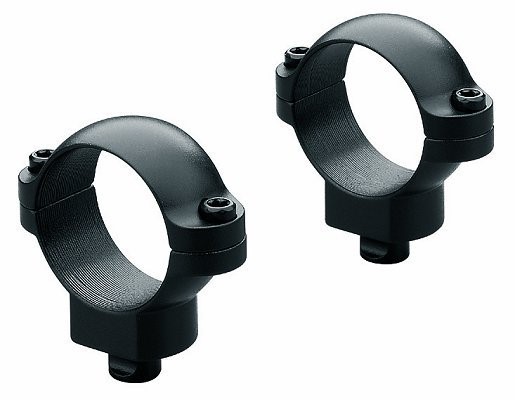
LEU RNG 30MM SPR HI MATTE QR
Optics
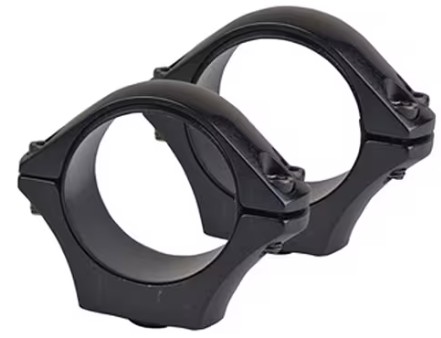
BER RINGS S/T OPTILCK 30MM MED B
Optics
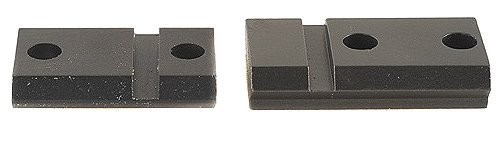
WAR 2PC BS WIN70 L/S ACTION
Optics
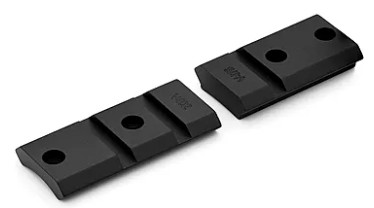
Warne Vapor Scope Mount for Rem
Optics
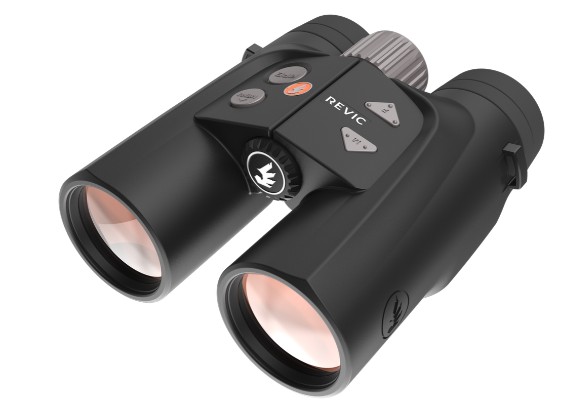
Revic Acura BLR10b 10X42 Range
Optics
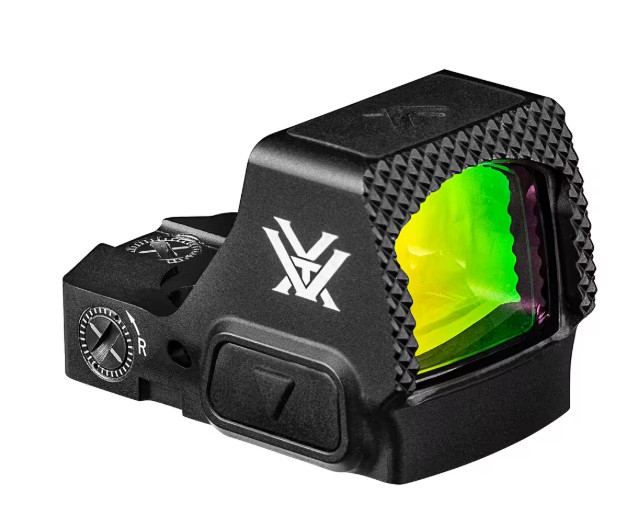
Vortex Defender-ST 3 MOA Micro R
Optics
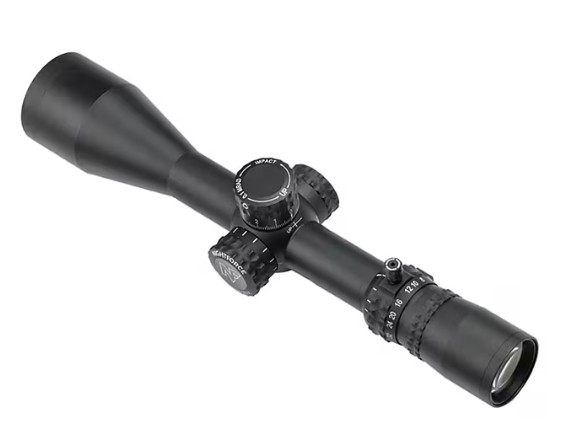
Nightforce NX8 4-32x50 MOAR Rifl
Optics
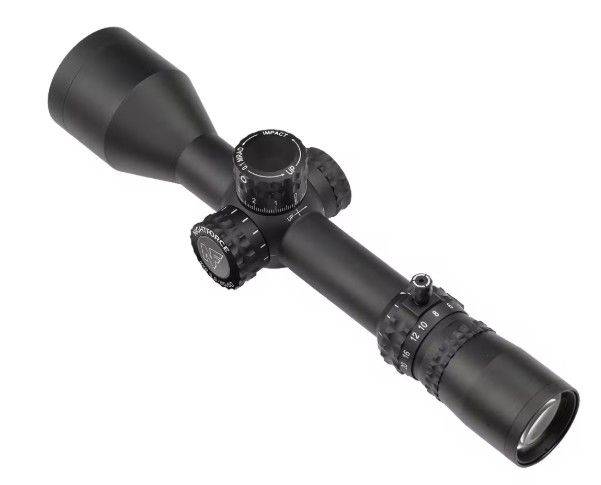
Nightforce NX8 2.5-20x50 F2 .250
Optics
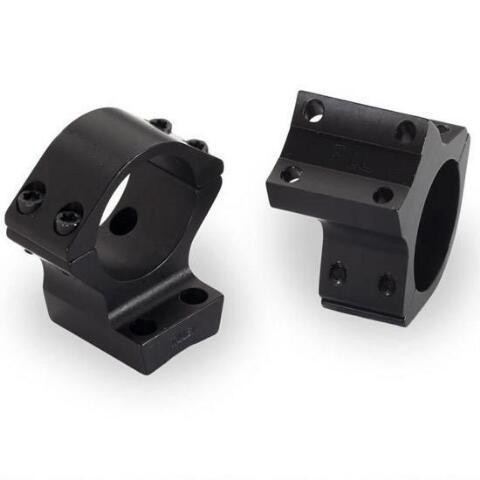
Browning X-Lock Integrated Scope
Optics
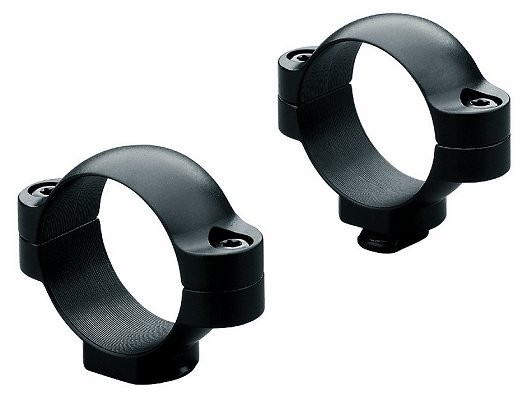
Leupold Rings Standard Medium 1"
Optics
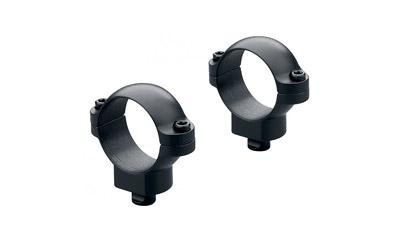
Leupold 49939 Quick Release XRin
Optics
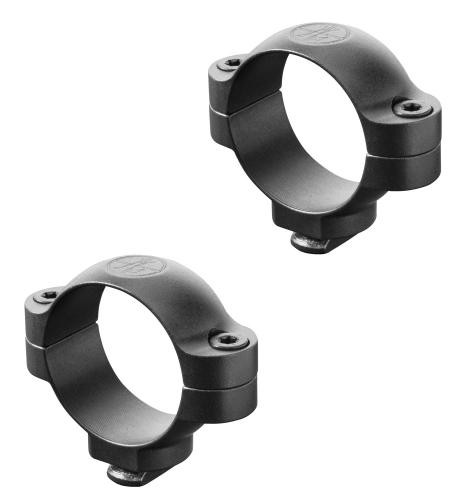
Leupold 173547 Dual Dovetail Ext
Optics
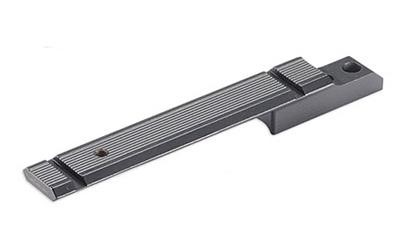
Henry Repeating Arms Cantilever
Optics
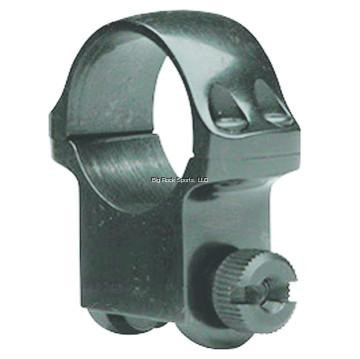
Ruger Standard, Ring, 1" High, B
Optics
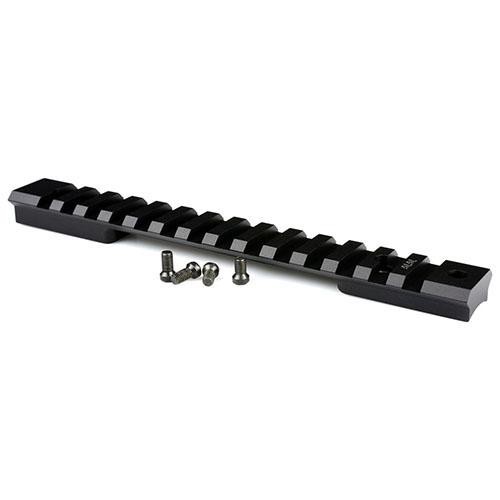
Warne Scope Mounts Mountain Tech
Optics
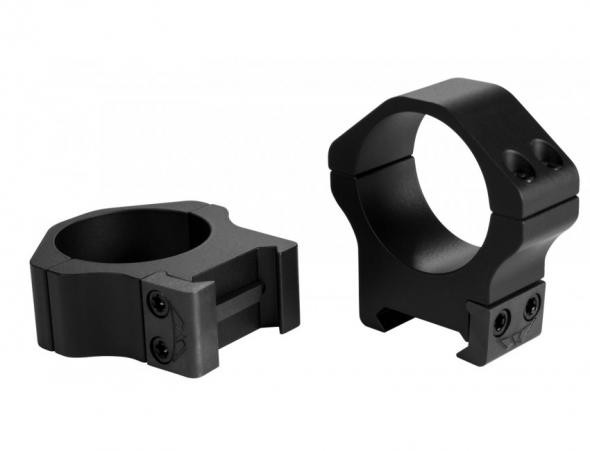
Warne, Maxima Horizontal Rings,
Optics
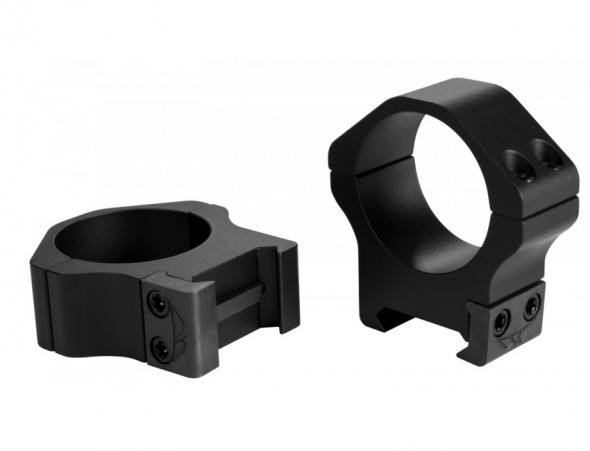
Warne Scope Mounts MAXIMA HORIZ
Optics
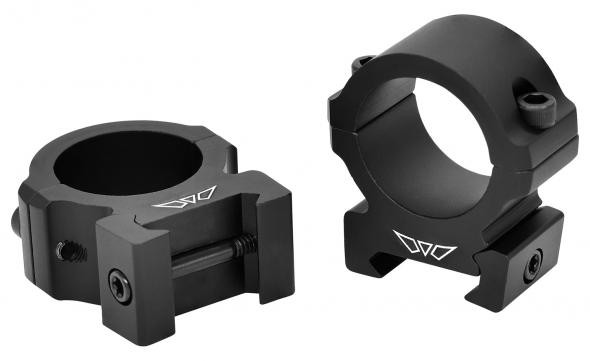
Warne Scope Mounts, Vapor Horizo
Optics
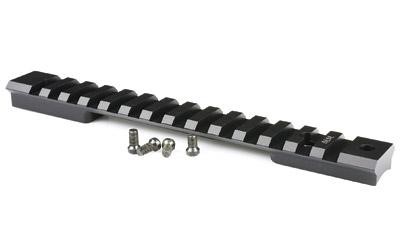
Warne Scope Mounts XP Tactical 1
Showing 1-21 of 131 (Page 1 of 7)
Showing 1-21 of 131
(Page 1 of 7)
Adding quality optics to a rifle, shotgun, or handgun dramatically extends the effective range at which you can engage targets accurately, improves sight acquisition speed, and reduces eye strain during extended shooting sessions. The optics market ranges from economical red dots to multi-thousand-dollar precision scopes — matching the right optic to the application ensures you get the performance you need at the right price point.
Red dot sights use an LED to project an illuminated dot reticle onto a lens — the shooter simply places the dot on the target and fires without needing to align front and rear sights. They are parallax-free at typical defensive and close-range distances and work with both eyes open for excellent situational awareness. Tube-style red dots (Aimpoint PRO, Sig Romeo series) and open-emitter/reflex sights (Trijicon RMR, Holosun 507/508) are the two main designs. Red dots are ideal for AR-15 home defense rifles, pistol slides (MRDS — Micro Red Dot Sights), and shotguns at close to medium range. Battery life on quality red dots (Aimpoint) can exceed 50,000 hours on a single battery.
Variable-power scopes (e.g., 3–9x40 or 4–16x50) offer flexibility from close to long-range shooting. The first number is minimum magnification, the second is maximum, and the third is the objective lens diameter in mm — larger objectives gather more light. First Focal Plane (FFP) reticles maintain accurate ranging marks at all magnification levels. Second Focal Plane (SFP) reticles are accurate only at maximum magnification. For deer hunting in Pennsylvania at typical woodland ranges (< 200 yards), a 3–9x40 scope is more than adequate. Long-range precision shooting (300–1,000+ yards) benefits from 4–16x or higher magnification with a ranging reticle (MRAD or MOA grid).
Hunting scopes prioritize light transmission (low light dawn/dusk performance), clear glass quality, and rugged weather-sealing rather than fast tactical adjustments. Quality hunting scope brands include Leupold, Vortex (Diamondback, Viper series), Nikon (legacy), and Zeiss. Tactical scopes are designed for repeatable, precise turret adjustments — they allow shooters to "dial" elevation and windage for different ranges and are used in precision rifle competition and long-range shooting. Both are nitrogen-purged and waterproof in quality offerings. For most Pennsylvania deer hunters, a mid-range hunting scope ($200–$600) from Leupold or Vortex offers excellent optical quality and lifetime warranty support.
A scope is only as reliable as its mounting system. Use rings and bases appropriate for your rifle's action and receiver cut (Weaver, Picatinny, or drilled-and-tapped bases). One-piece scope mounts (Vortex Pro, Warne RAMP) offer more rigidity and easier installation than two-piece rings. Mount height affects cheek weld — the height at which your cheek naturally contacts the stock when looking through the scope. Low rings are used on bolt-action hunting rifles with low-profile stocks; medium and high rings are typical on AR-15 flattop receivers to clear the front sight or free-float handguard. Improper scope height creates inconsistent head position and reduces accuracy.
Zeroing a rifle scope means adjusting the reticle so the point of aim matches the point of impact at a chosen distance. A 100-yard zero is standard for most hunting and general-purpose rifle use. A 50-yard zero for AR-15 in 5.56mm also creates a near-zero at approximately 200 yards (the "50/200 zero"), which is practical for a defensive carbine. Use a stable rest (sandbag, bipod, shooting bench) when zeroing, fire a three-shot group, then adjust the turrets based on your group's displacement from the center. Most scopes adjust in ¼ MOA (minute of angle) clicks — 1 MOA ≈ 1" at 100 yards, so four clicks moves the point of impact 1" at 100 yards.